
What To Do With an Old 401(k): A Simple Step-by-Step Guide
Tax season has a way of bringing old financial accounts back into view.
Maybe you found a statement in the mail. Maybe you changed jobs years ago and never revisited that old 401(k). You’re not alone—this happens more than most people realize.
The real question is:
What should you actually do with that old 401(k)? (Download free checklist)
Let’s break it down simply so you can make a confident decision.
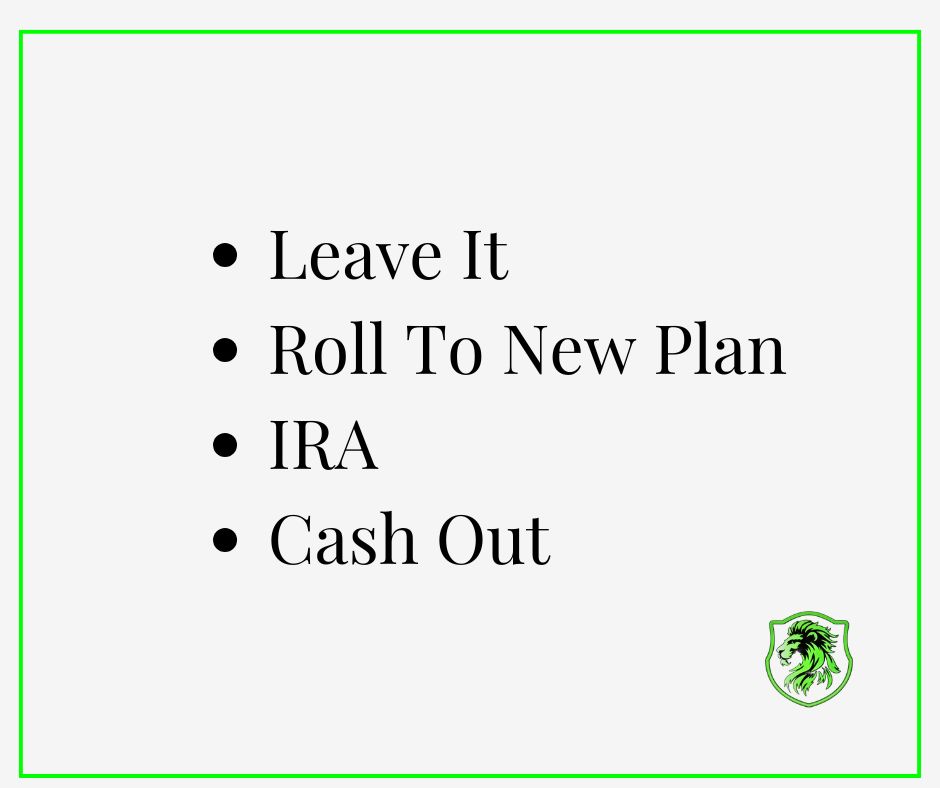
Step 1: Understand Your 4 Options
When you leave an employer, you typically have four choices:
1. Leave It Where It Is
No immediate action required
Still grows (or declines) with the market
Limited control depending on the plan
Best for: Temporary situations, not long-term strategy
2. Roll It Into Your New Employer’s Plan
Keeps everything consolidated
May have lower fees
Limited investment options
Best for: Simplicity and consolidation
3. Roll It Into an IRA (Most Flexible Option)
Full control over investments
Potentially lower fees
More flexibility in retirement planning
Best for: Long-term strategy and control
4. Cash It Out (Usually NOT Recommended)
Immediate access to funds
Taxes + penalties if under 59½
Stops future growth
Best for: Rare situations only
Step 2: Know the Hidden Risks
This is where most people make mistakes.
⚠️ Taxes & Penalties
Cashing out can trigger:
Income tax
10% early withdrawal penalty
⚠️ Fees You Don’t See
Old plans often have:
Administrative fees
Limited investment options
⚠️ Lost Growth Opportunity
Even a small balance can grow significantly over time.
Doing nothing can quietly cost you thousands.
Step 3: Ask Yourself These Key Questions
Before making a move, ask:
Do I want more control over my investments?
Am I paying unnecessary fees?
Does this account align with my long-term plan?
Do I even know how this money is invested right now?
If you’re unsure about any of these… that’s your sign to take a closer look.
Step 4: Make a Smart, Intentional Move
The right choice depends on your situation—but the worst choice is usually doing nothing without understanding your options.
A simple review can help you:
Avoid unnecessary taxes
Reduce fees
Align your money with your goals
Final Thoughts
Most people don’t ignore their old 401(k) on purpose—they just don’t know what to do next.
Now you do.
→ Download the Free Retirement Account Checklist
A simple guide to help you:
Locate old accounts
Evaluate your options
Avoid costly mistakes
→ Or schedule a quick review
If you’d rather have a second set of eyes, we can walk through your situation together and map out your best next step.


